Cu Li Never Cries
Vietnam / Singapore / France / Philippines / Norway
92'
- Synopsis
- Curatorial presentation
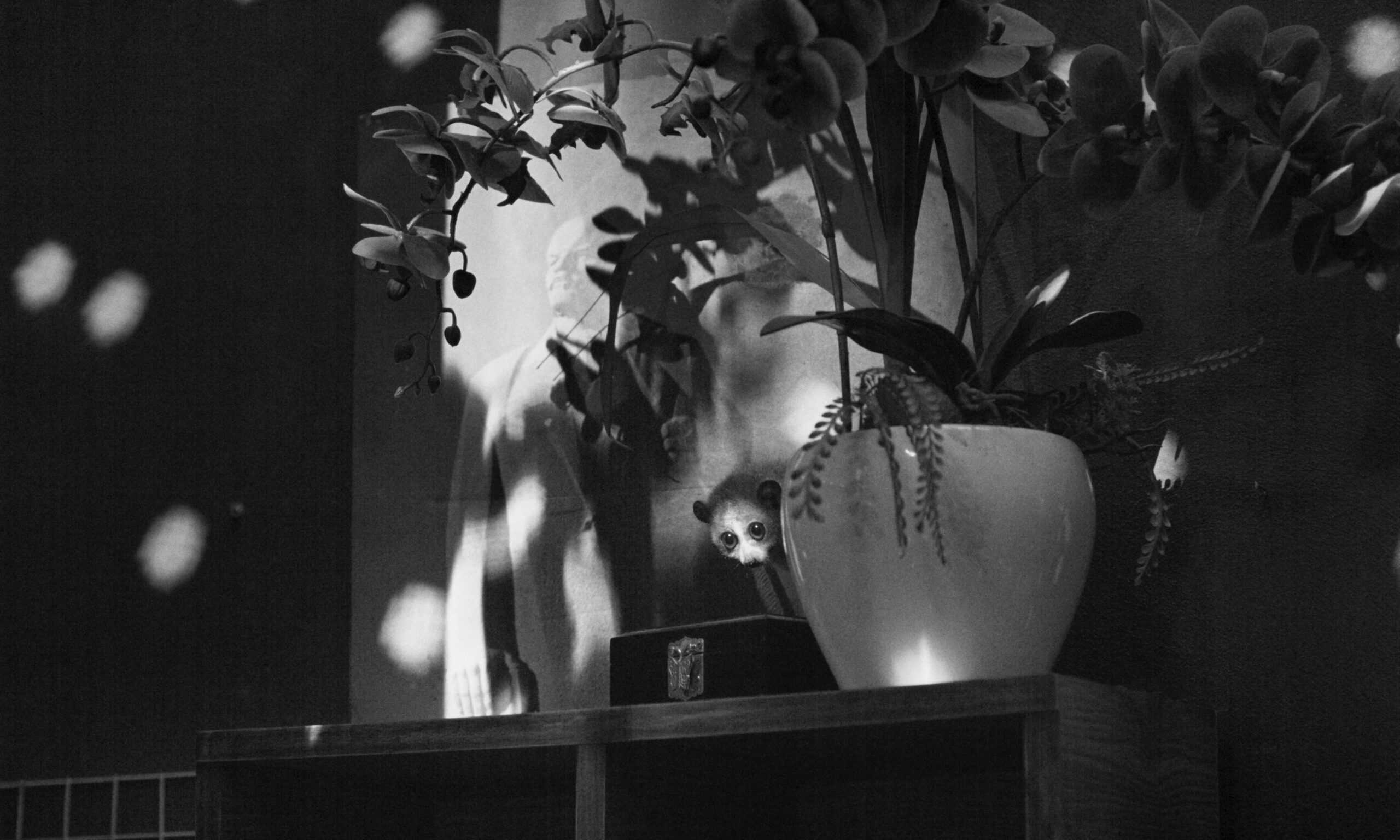
A woman tries to cling onto dimming links to her past after inheriting a pygmy slow loris from her long-estranged husband; meanwhile, her niece prepares for marriage as the young couple ponders their uncertain future together. The present and the complex echoes of Vietnamese history intertwine with a contemplative and poetic perspective.
What do you see when you look into the big, glassy eyes of a cu li? There’s an endearing awkwardness to them, and yet a curious sense of familiarity. A deep void, and yet so much longing. The struggling youth and contemplative elder women in Phạm Ngọc Lân’s poetic first feature remind perhaps of an early Tsai Ming-Liang work — quick to add a cheeky, even deliciously kitsch moment to break apart a dominant but ever so lyrical urban malaise. Cu Li Never Cries is as much a portrait of the lower classes and generational differences as it is an intimate observation of present-day Vietnam, with echoes of the country’s past sneaking in during the most trivial of places and interactions. The past is many things in Phạm Ngọc Lân’s debut: elusive, funny, sticky, sickly, heart-wrenching, conflicting. But so is the future: what better metaphor for it than the joyous occasion of a wedding and all the tacky ceremonies that come with it? (Dora Leu)