A Dying Leaf Should Be Able to Carry the Weight of the World
Romania
10’ 15"
- Synopsis
- Curatorial presentation
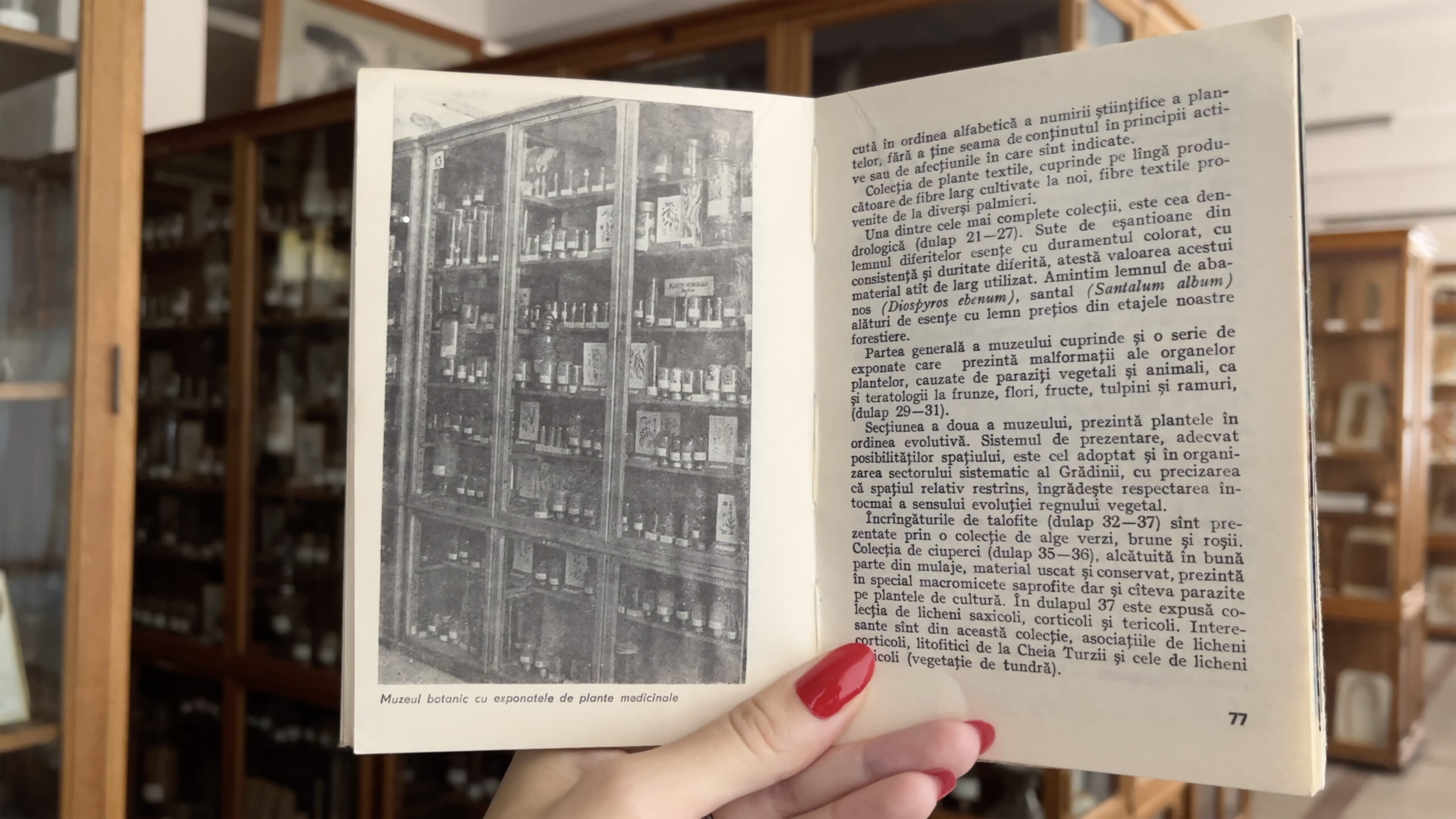
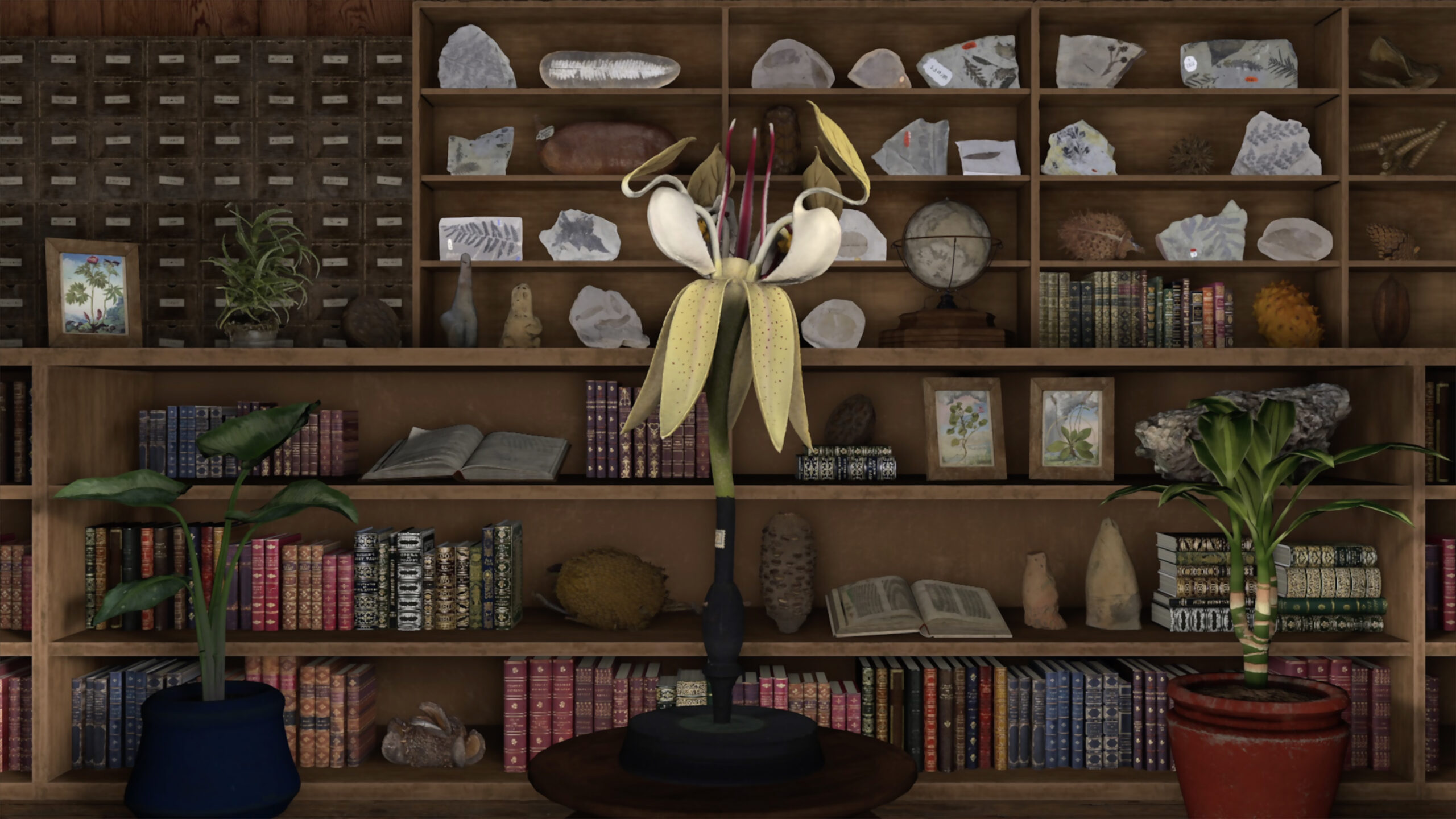
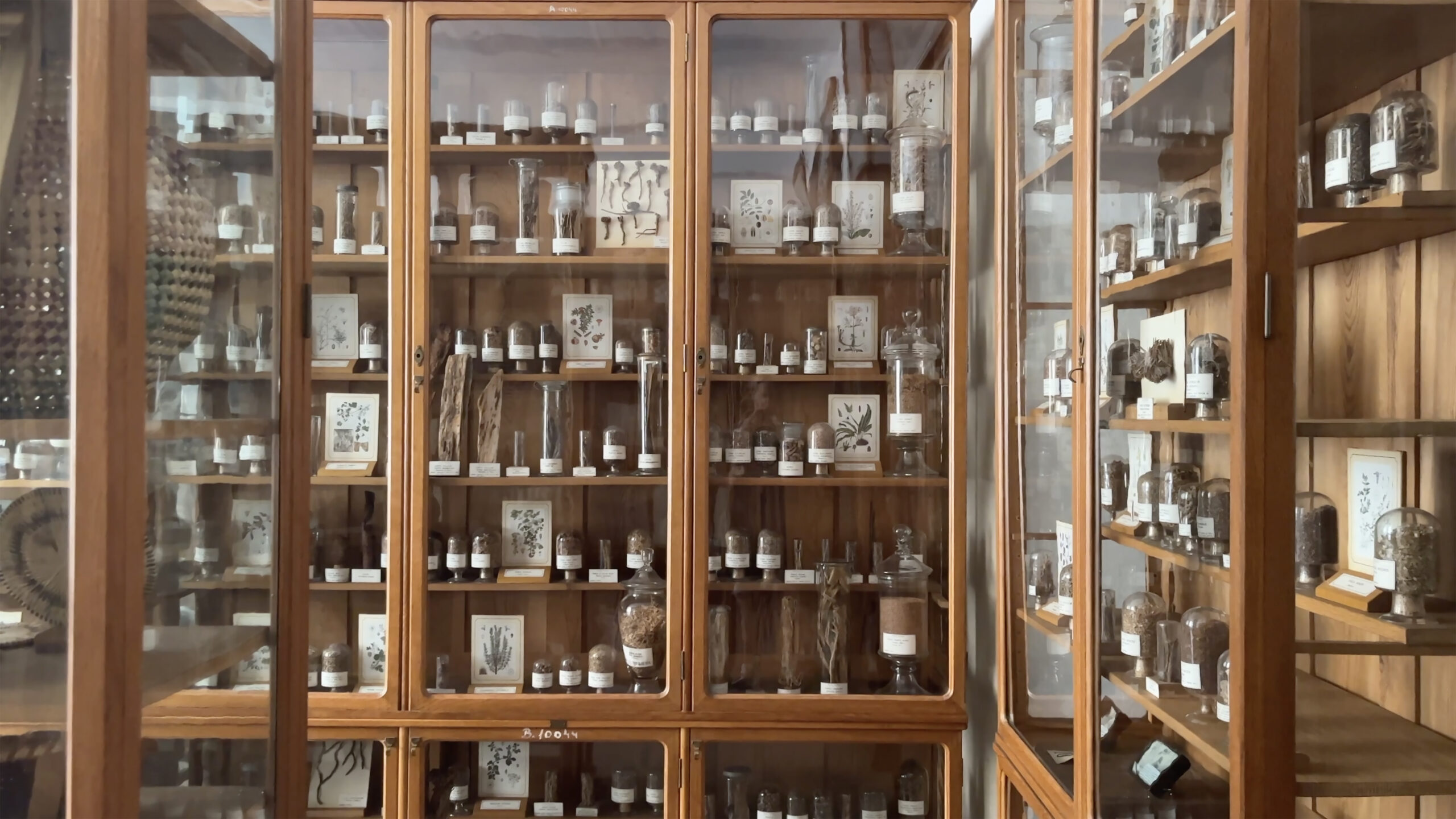
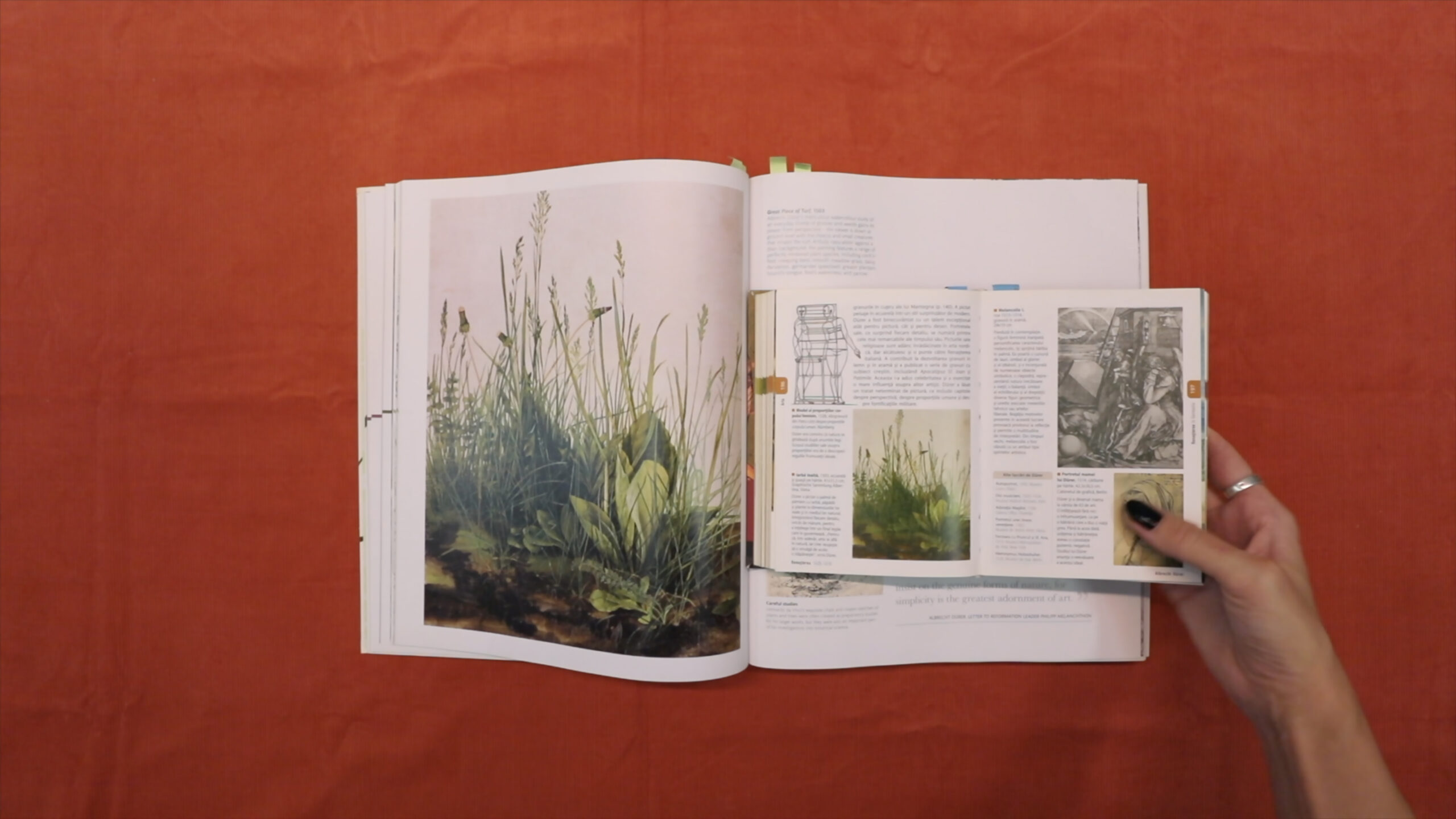
A Dying Leaf Should Be Able to Carry the Weight of the World is a visit to the botanical garden and museum in Cluj-Napoca, a journey through time and space, a discovery of plants with unknown stories, of plants that don’t exist anymore, of plants that can tell us as much about the past as they can about the future. Fossils, herbs and botanical illustrations are witnesses of the past, proof of evolution and change, but also prophets of what is yet to come.
A visit at a botanical museum in Cluj, 2023; a close look through a tourist booklet about the same museum, published in 1979. In Thea Lazăr’s film, the voiceover animates an open essay, a mix of poetry and theory, about, on the one hand, the power of botanical conservation as a science, and, on the other, the ideological limits of museum practices: the violence of knowledge. Lazăr exalts the image of plants, the magical understanding of them, as a self-existing landscape, and not as a mere backdrop for human civilization. The film’s climax bears fruit to that thought when the images of the greenhouse turn abstract, melting into 3D animations of a wild landscape: the revenge of the moving image against the culturally fixed one. (Călin Boto)