A Fidai Film

r. Kamal Aljafari
Palestina, Germania, Qatar, Brazilia, Franța
78’

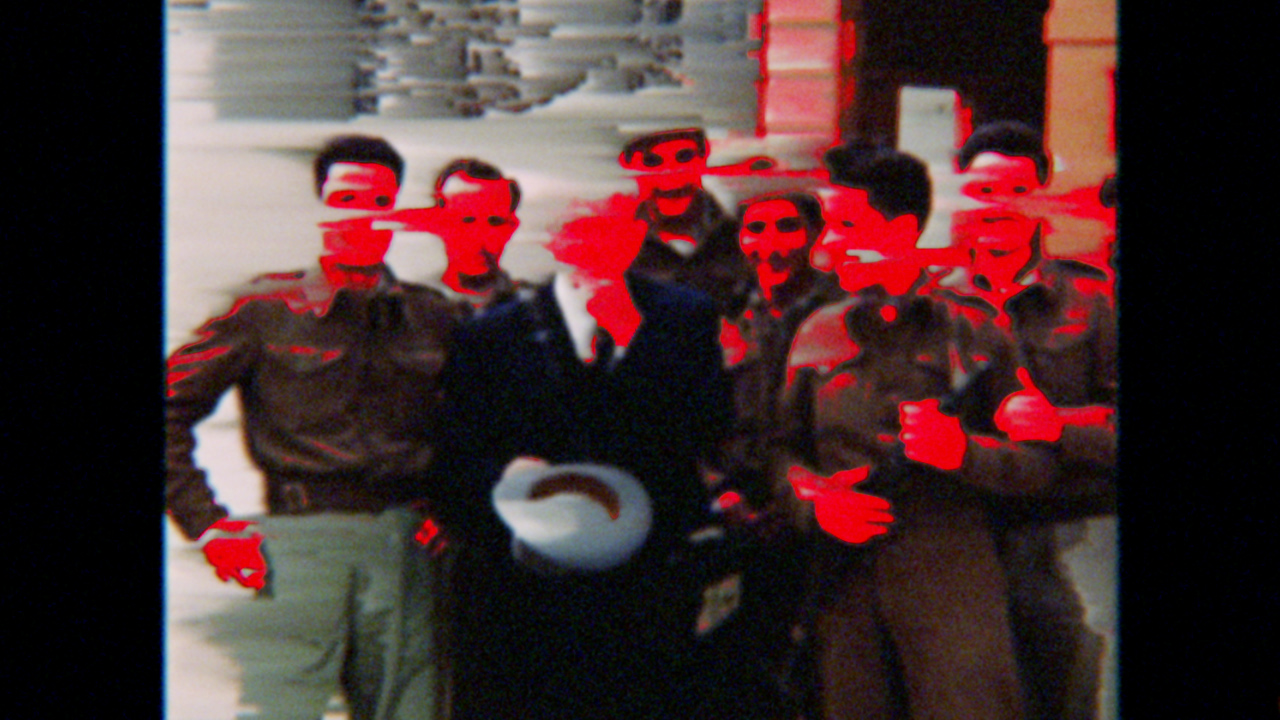
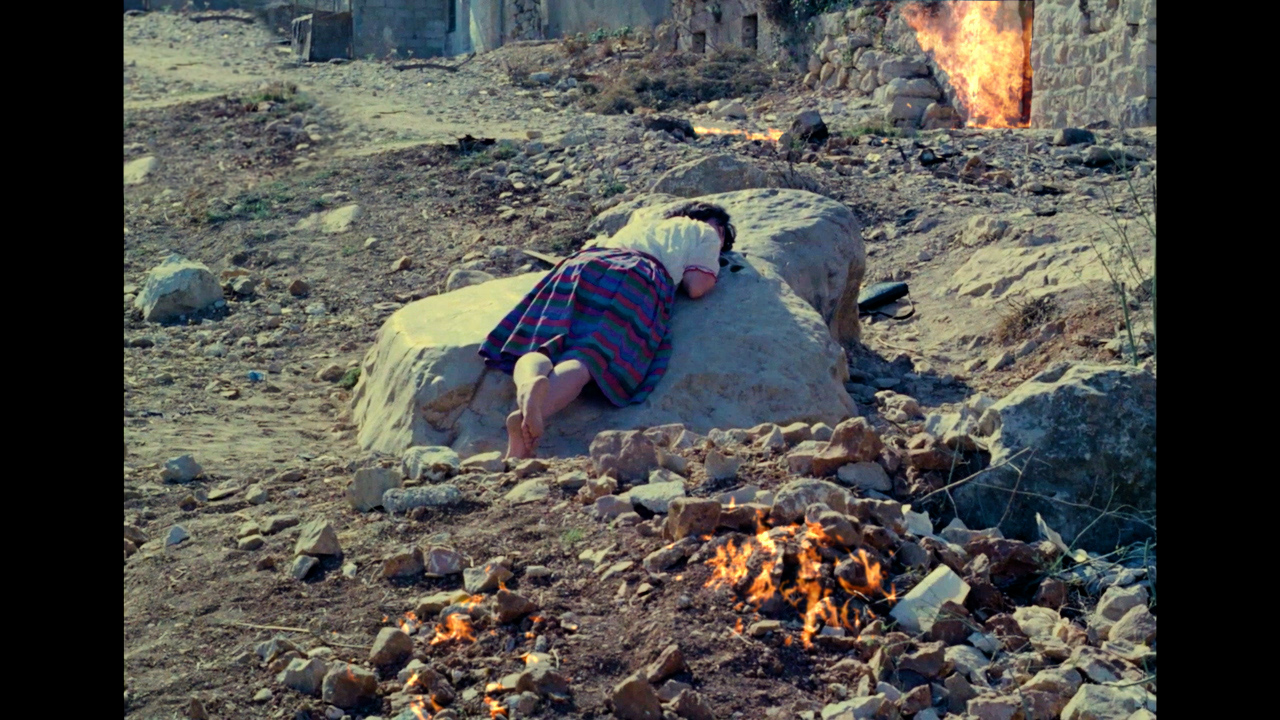
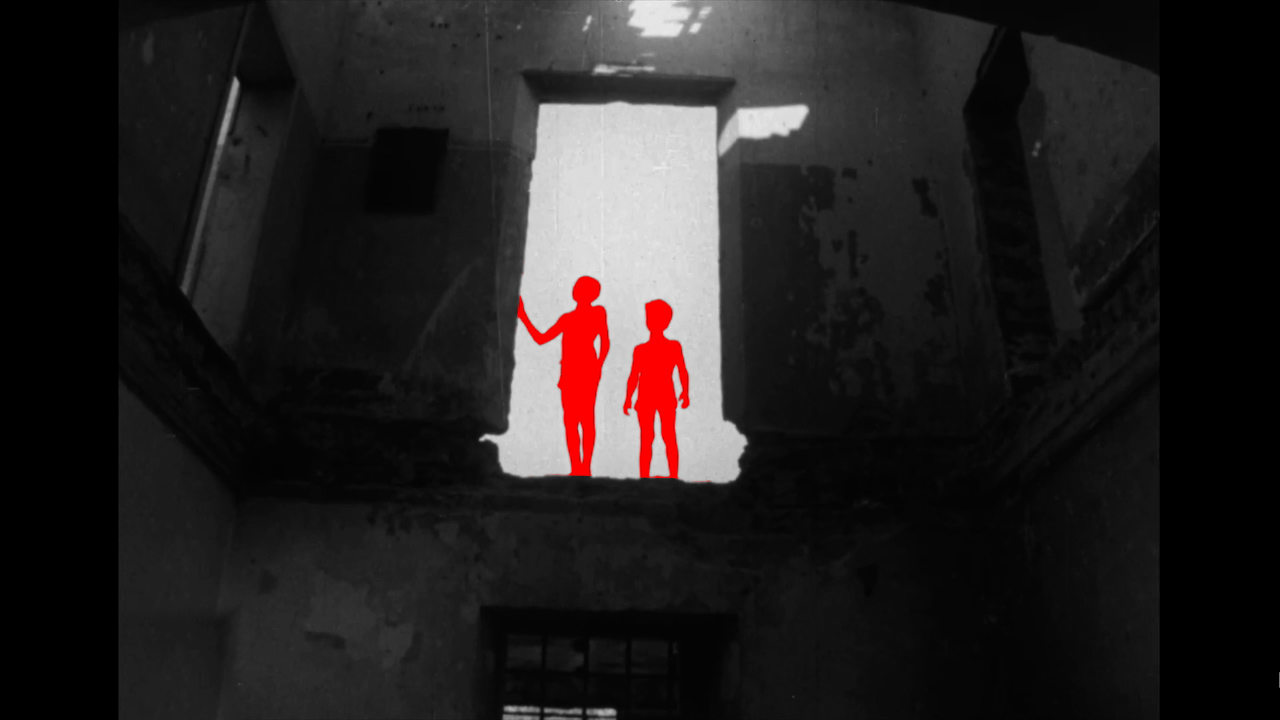
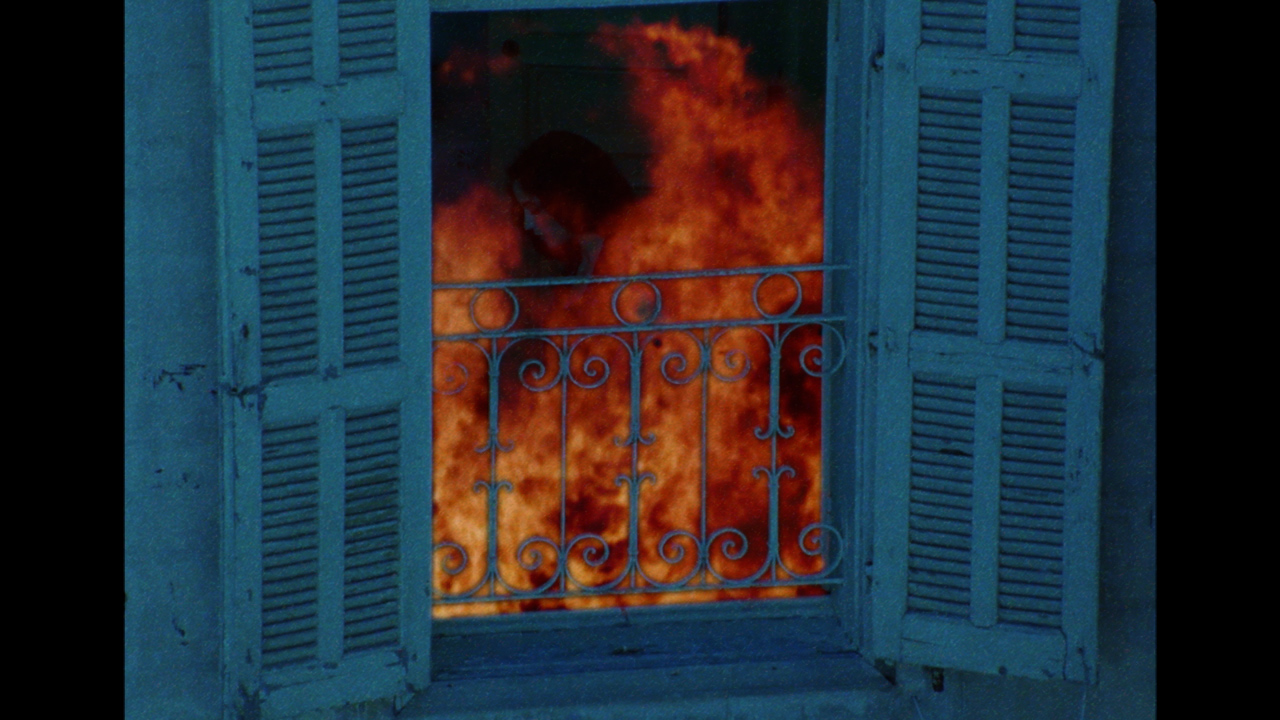
In the summer of 1982 the Israeli army invaded Beirut. During this time it raided the Palestinian Research Center and looted its entire archive. The archive contained historical documents of Palestine, including a collection of still and moving images. Taking this as a premise, A Fidai Film explores the visual memory of this looting and appropriates images now in the hands of Israeli archives.

What distinguishes Kamal Aljafari in the field of montage filmmaking is his unique way of intervening on the materials he is working with. Here the filmmaker uses color blocking (subversively appropriating a technique typically used by censors) and colorization to reject the official narratives of the Occupation and to transform them into a gesture of resistance against suppression and the erasure of Palestinian history and culture. Drawing both on the poetry of revolutionary writer Ghassan Kanafani and on a Palestinian film archive from Beirut that was looted and destroyed in 1982, the film spans over several decades, from the years of the British Mandate of Palestine, through the Nakba and the multiple post-1948 wars, up to present day. A Fidai Film is an act of radical re-appropriation by one of today’s leading experimental filmmakers – and a film that is all the more urgent now, in the context of the genocide in Gaza. (Flavia Dima)
Screening date and location

Awards & Festivals

Kamal Aljafari

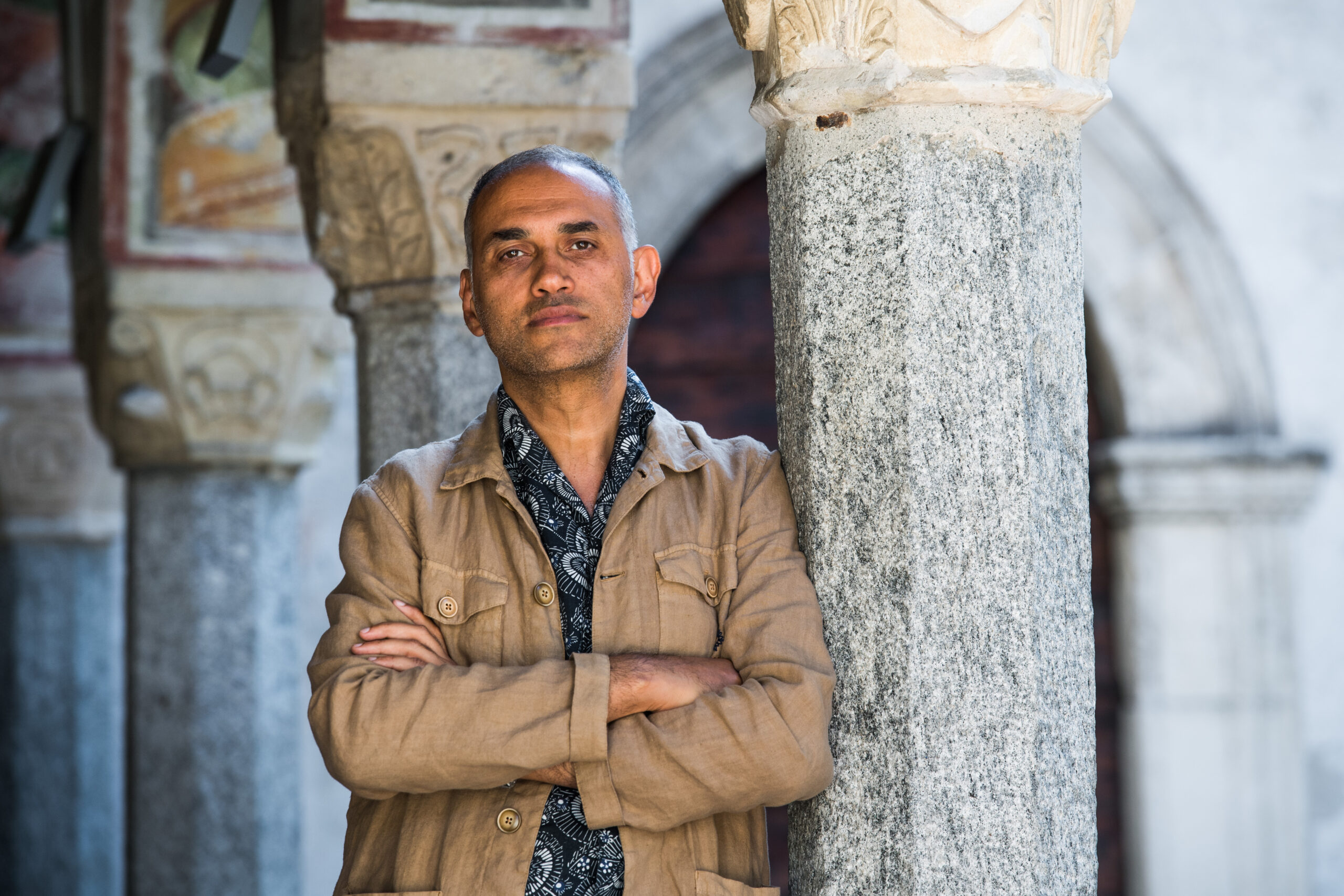
Kamal Aljafari is a Palestinian filmmaker. He attended the Academy of Media Arts in Cologne and now lives in Berlin, Germany. He has taught filmmaking at The New School in New York and the Deutsche Film-und Fernsehakademie, Berlin. He was also a Film Study Center Radcliffe Fellow at Harvard University and is a fellow at the Institute for Ideas and Imagination of Columbia University. In 2024 the festival IndieLisboa dedicated a retrospective to his work. His feature film A Fidai Film received the Jury Prize of the Burning Lights Competition at the festival Visions du Réel in 2024. He is preparing a fiction film, Beirut 1931, to be shot in Jaffa.

  • Technical sheet
  • Production and distribution
  • Conceived and Directed by: Kamal Aljafari
  • Edited by: Kamal Aljafari, Yannig Willmann
  • Sound: Attila Faravelli
  • Assistant Editing: Flavia Mazzarino
  • Original Music: Simon Fisher Turner
  • Sound Mixing: Jochen Jezussek
  • Voice: Darin Dibsy, Kamal Aljafari
  • Produced by: Kamal Aljafari Productions
  • Line Producer: Flavia Mazzarino

Screens

Special Screenings

All films →

Opening Film: TWST – Things We Said Today

Andrei Ujică | Duration 86’

A time capsule of New York City between August 13-15, 1965, framed by the Beatles’ arrival in the city and their first concert at Shea Stadium, all narrated from two teenagers' points of view.

Merman

Ana Lungu | Duration 85’

A female voice is haunting a male gaze. An archival documentary about three men making images of women, in Romania, from WWII until the Revolution: an engineer filming his daughter, a music professor documenting his family and an aristocrat capturing the summer spent with his wife during wartime.

A Fidai Film

r. Kamal Aljafari | Duration 78’

In the summer of 1982 the Israeli army invaded Beirut. During this time it raided the Palestinian Research Center and looted its entire archive. The archive contained historical documents of Palestine, including a collection of still and moving images. Taking this as a premise, A Fidai Film explores the visual memory of this looting and appropriates images now in the hands of Israeli archives.

Eight Postcards from Utopia

Radu Jude, Christian Ferencz-Flatz | Duration 71’

Eight Postcards from Utopia is a found-footage documentary assembled exclusively out of post-socialist Romanian advertisements. In bringing together these documents of Romania’s long transition period, they are made to speak about life, love and death, about the body and human frailty, about nature and the supernatural, about recent history, and, of course, about socialism and capitalism. A film between found poetry and an outdated encyclopaedia, between trash art and Summa theologiae.

Closing film: It’s Not Me

Leos Carax | Duration 41’

For an exhibition that in the end never took place, the Pompidou Museum asked the filmmaker to reply, in pictures, to the question : Where are you at, Leos Carax? He attempts an answer – full of questions. About himself and “his” world: I don’t know, but if I did, I’d reply that…

Meniu