A Fidai Film
Palestina, Germania, Qatar, Brazilia, Franța
78’
- Synopsis
- Curatorial presentation
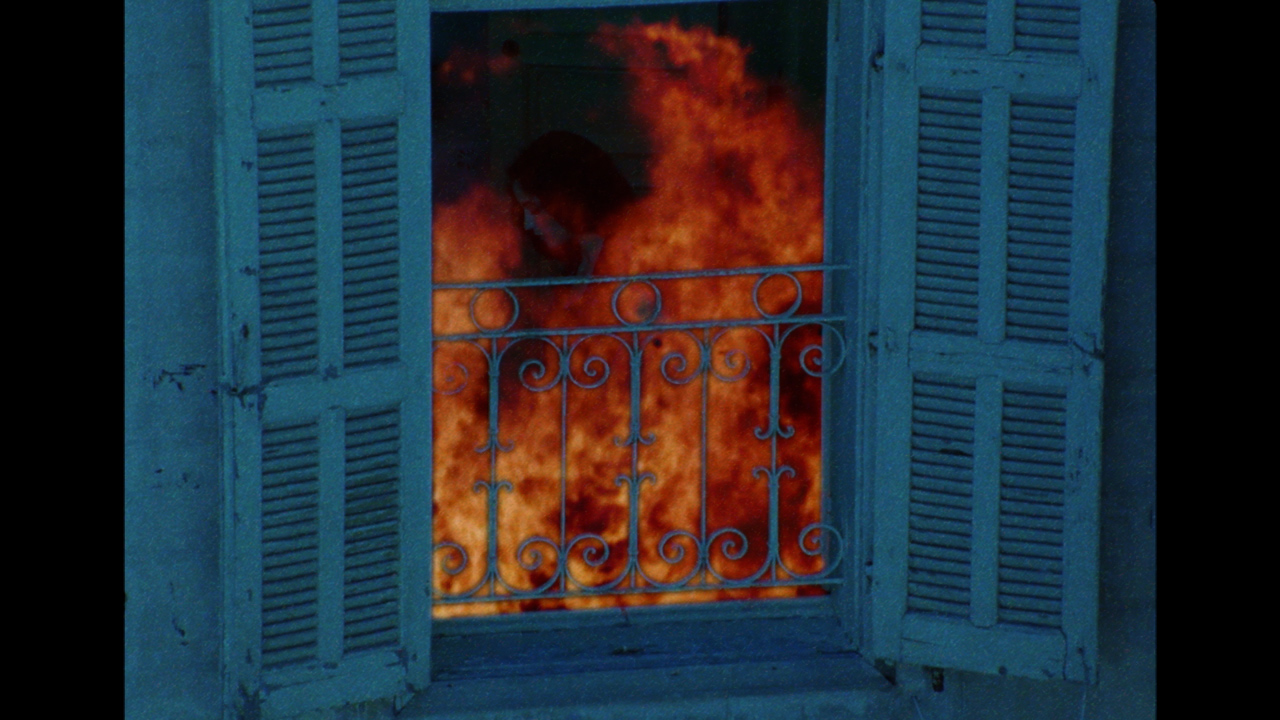
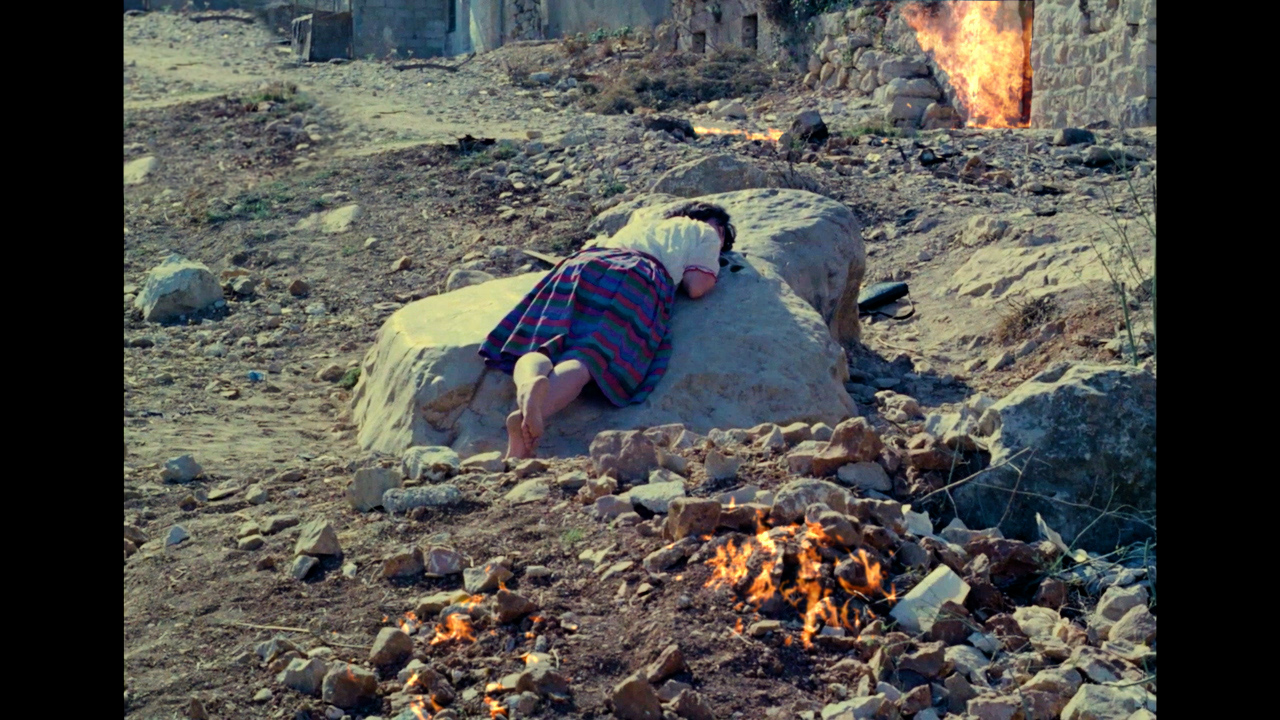
In the summer of 1982 the Israeli army invaded Beirut. During this time it raided the Palestinian Research Center and looted its entire archive. The archive contained historical documents of Palestine, including a collection of still and moving images. Taking this as a premise, A Fidai Film explores the visual memory of this looting and appropriates images now in the hands of Israeli archives.
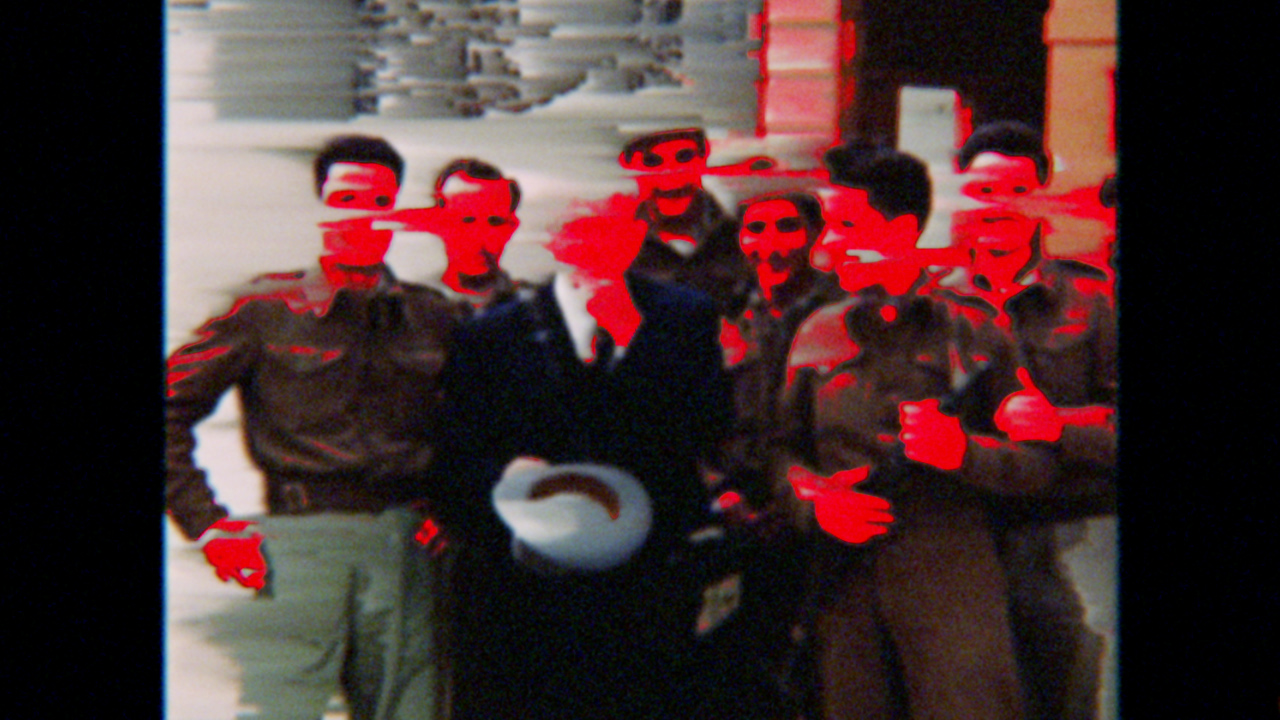
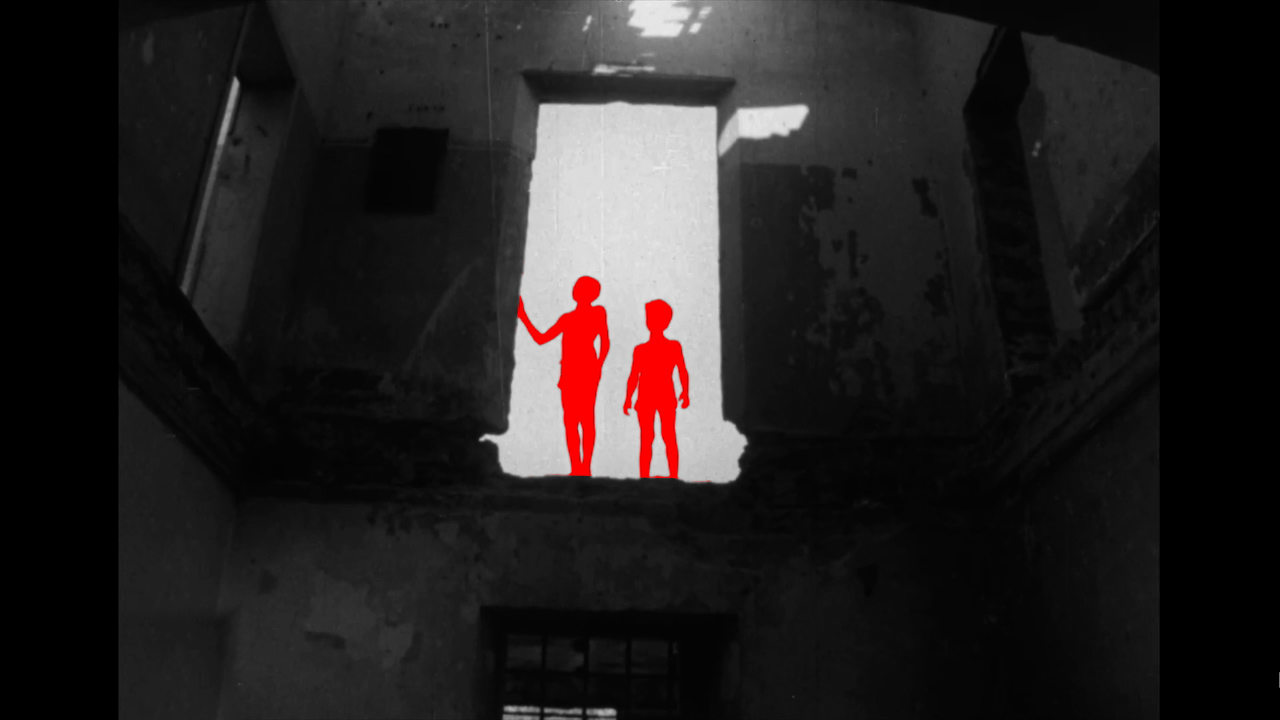
What distinguishes Kamal Aljafari in the field of montage filmmaking is his unique way of intervening on the materials he is working with. Here the filmmaker uses color blocking (subversively appropriating a technique typically used by censors) and colorization to reject the official narratives of the Occupation and to transform them into a gesture of resistance against suppression and the erasure of Palestinian history and culture. Drawing both on the poetry of revolutionary writer Ghassan Kanafani and on a Palestinian film archive from Beirut that was looted and destroyed in 1982, the film spans over several decades, from the years of the British Mandate of Palestine, through the Nakba and the multiple post-1948 wars, up to present day. A Fidai Film is an act of radical re-appropriation by one of today’s leading experimental filmmakers – and a film that is all the more urgent now, in the context of the genocide in Gaza. (Flavia Dima)